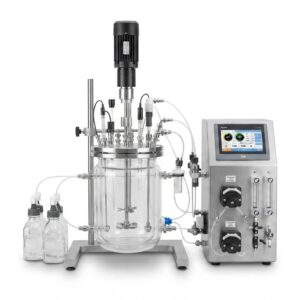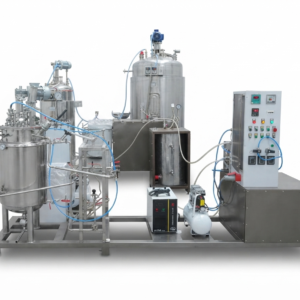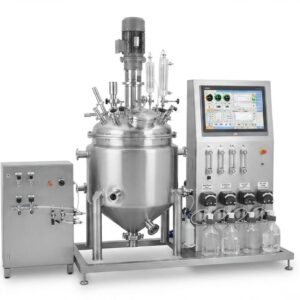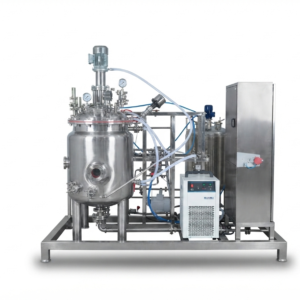
Enzymes Manufacturing Plant Setup
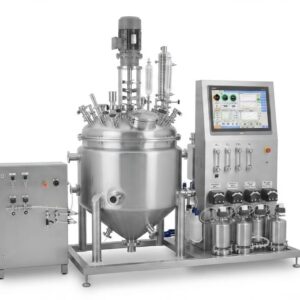
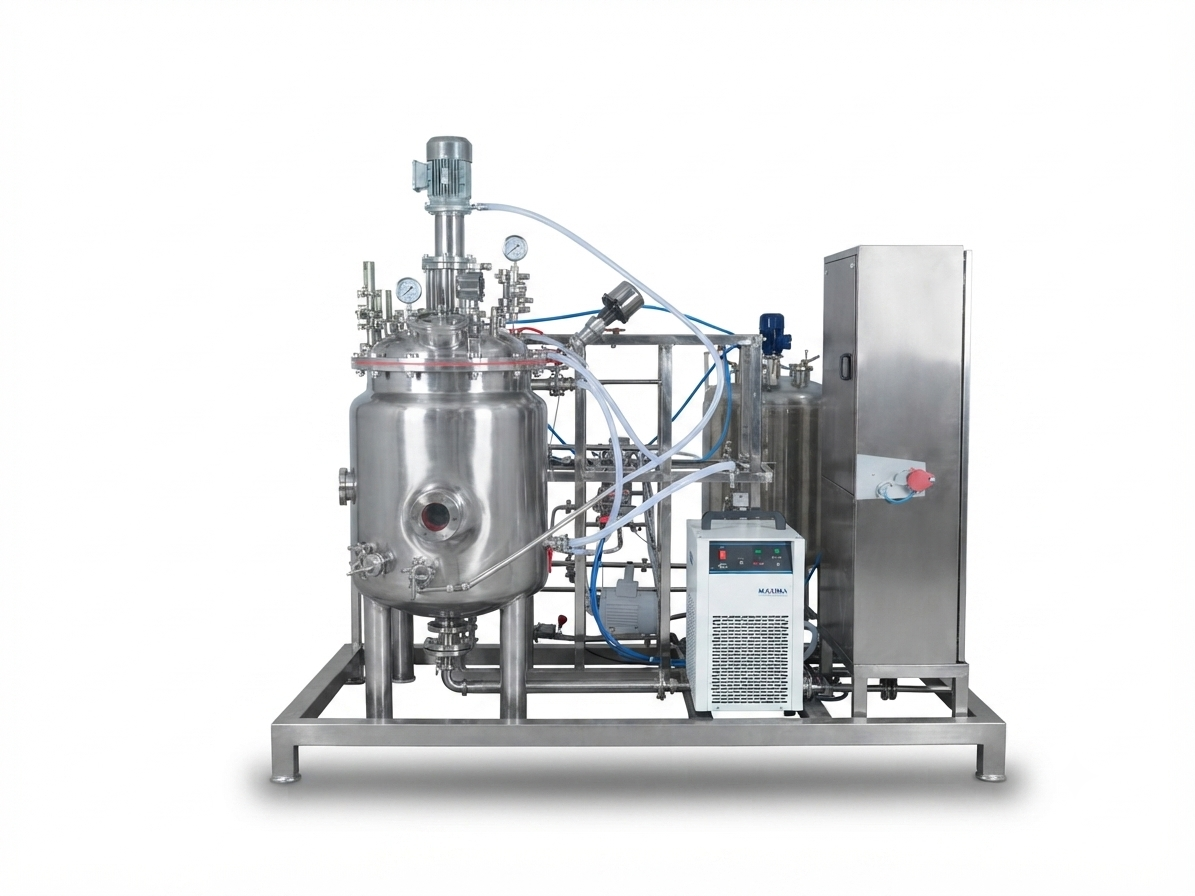
350L Fermenter
Enzymes Manufacturing Plant Setup in Maharashtra: A Comprehensive Industrial Guide
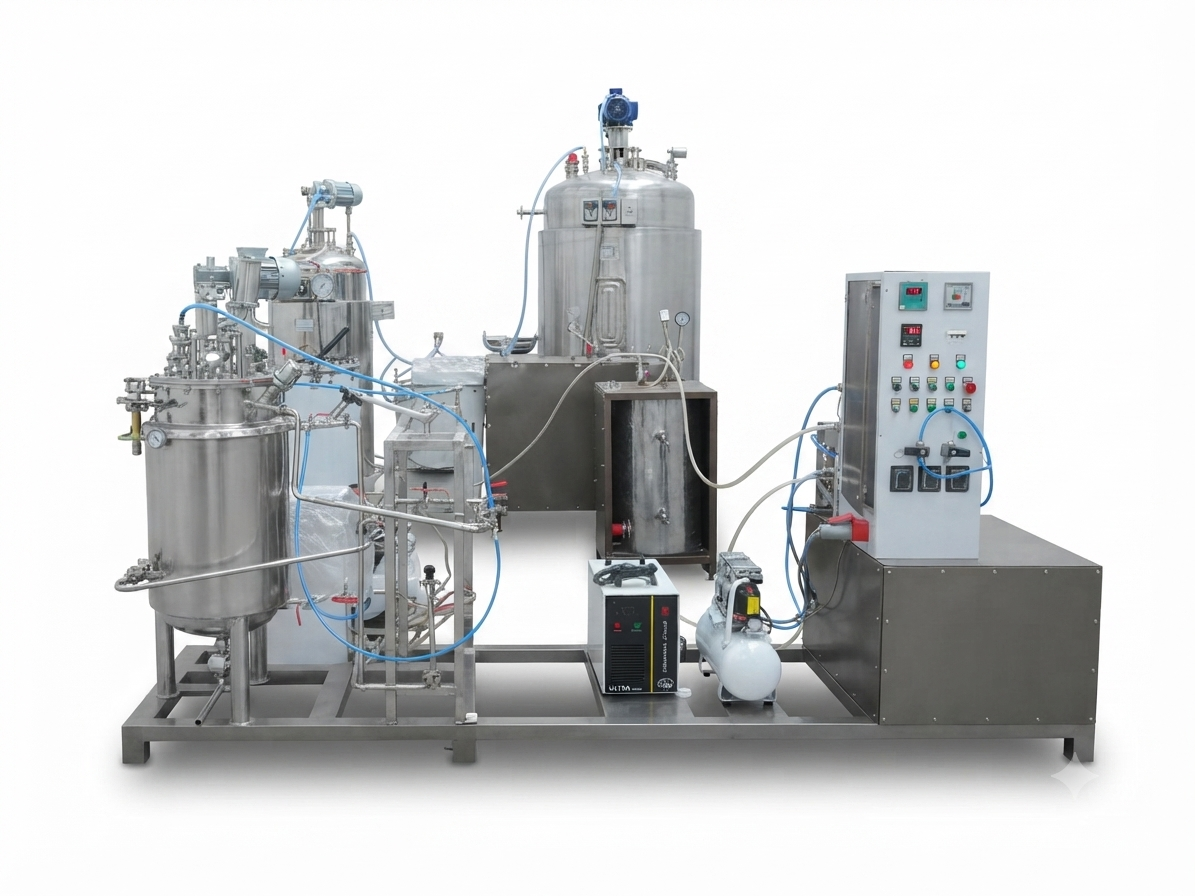
The biotechnology landscape in Maharashtra is undergoing a seismic shift, driven by a surge in demand for sustainable catalysts across food processing, pharmaceuticals, and textile industries. Establishing an Enzymes Manufacturing Plant Setup in this region requires more than just industrial machinery; it demands a strategic alignment with the state’s unique economic corridors and regulatory frameworks. Whether you are eyeing the bustling trade hubs or the agricultural heartlands, Maharashtra provides a fertile ground for high-yield enzyme production.
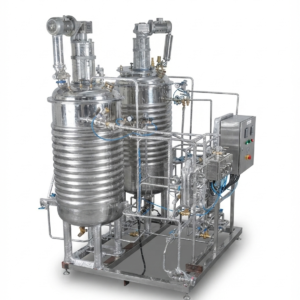
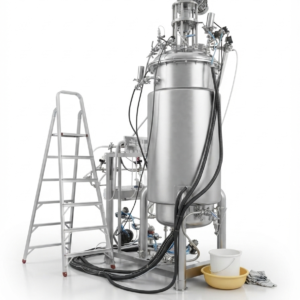
1500L Bioreactor
1250L Industrial Bioreactor
750L Bioreactors System
laboratory bioreactor 15 Litter
Laboratory Bioreactor 10 Litter
Laboratory Glass Fermenter 10 Litter
Laboratory Glass fermenter 5 Litter
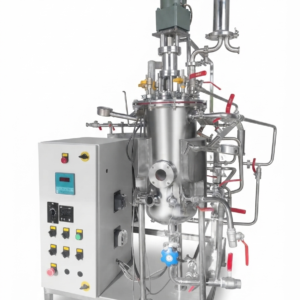
1000L Fermenter
750L Fermenter
500L Fermenter
350L Fermenter
300L Fermenter
200L Fermenter
150L Fermenter
100L Fermenter
Maharashtra is not just a state; it is an industrial ecosystem. The journey of setting up an enzyme facility often begins with navigating the logistical goldmine of Mumbai, where access to international shipping and financial consultancy is unparalleled. However, as the industry decentralizes, we see a massive influx of biotech interest in Pune, often referred to as the “Oxford of the East” and a burgeoning hub for R&D.
The demand for industrial enzymes—proteases, amylases, and cellulases—is driven by the massive textile clusters in Ichalkaranji and the sugar processing giants near Ahmednagar. By localizing production, manufacturers can drastically reduce “cold-chain” logistics costs that often plague the biological sector.
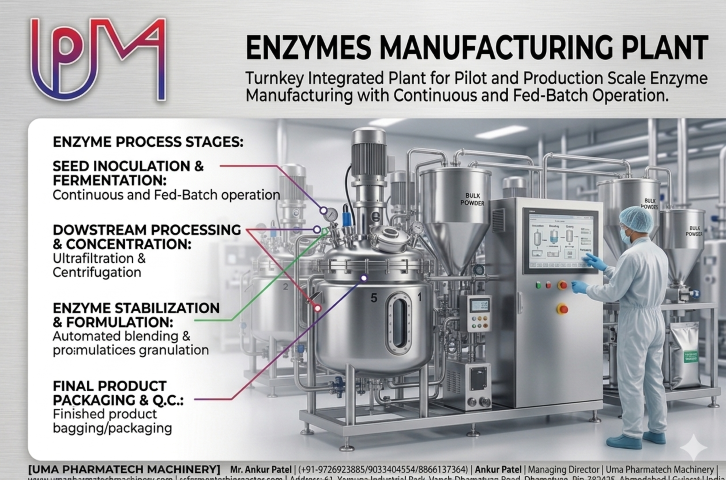
Building a facility that meets international standards requires a deep dive into bioprocess engineering. Our approach to a Enzymes Manufacturing Plant Setup focuses on four pillars:
1. Advanced Fermentation Technology
At the heart of every plant is the bioreactor. From the pharmaceutical-grade requirements often found in Thane to the large-scale industrial applications in Nashik, your fermentation suite must be adaptable. We integrate automated pH, temperature, and dissolved oxygen controls to ensure batch consistency.
2. Downstream Processing (DSP)
Extraction and purification are where the value is added. In the competitive markets of Aurangabad, having superior DSP capabilities—such as ultrafiltration and spray drying—ensures your final enzyme activity (U/ml) exceeds industry benchmarks.
3. Quality Control & Regulatory Compliance
Operating within the Maharashtra Industrial Development Corporation (MIDC) zones, such as those in Nagpur, requires strict adherence to environmental norms. Our setups include integrated effluent treatment plants (ETP) to manage biological waste, ensuring you stay compliant with MPCB (Maharashtra Pollution Control Board) guidelines.

Industrial Enzymes Manufacturing Plant Setup
- UMA PHARMATECH MACHINERY
- Ahmedabad, Gujarat, India
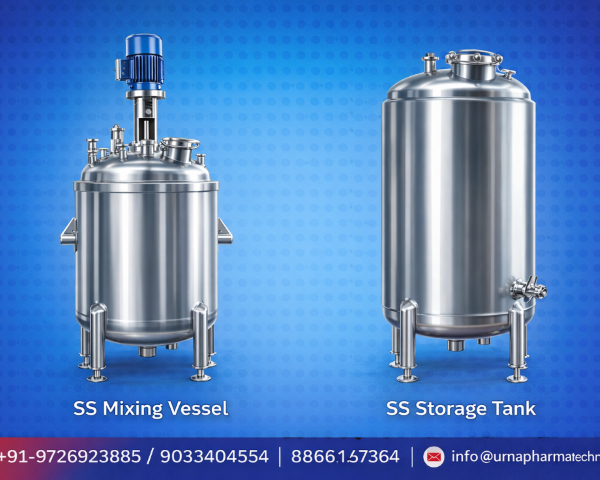
Depending on the scale (Pilot vs. Commercial), a standard unit requires between 15,000 to 50,000 sq. ft. In high-density areas like Thane, vertical integration of the plant layout is often used to optimize space.
Every Enzymes Manufacturing Plant Setup must submit a detailed project report (DPR) highlighting waste management. Cities like Pune and Nagpur have dedicated consultants who specialize in facilitating these approvals through the single-window clearance system.
Yes, under the “Package Scheme of Incentives,” the state offers GST set-offs and electricity duty exemptions, particularly for units located in developing zones like Latur or Amravati.
Typically, a well-managed plant sees a break-even point within 3 to 5 years. This is accelerated if you cater to the high-demand export markets or the local pharmaceutical giants in Mumbai and Aurangabad.
Setting up an enzyme facility is a marathon, not a sprint. It requires a partner who understands the difference between the industrial water quality in Nashik and the power stability in Navi Mumbai. Our team provides end-to-end consultancy—from initial site selection in Ahmednagar to final trial runs in Sangli.
By choosing a localized approach to your Enzymes Manufacturing Plant Setup, you aren’t just building a factory; you are becoming a vital link in Maharashtra’s “Trillion Dollar Economy” vision. Whether you are a startup in Pimpri-Chinchwad or a diversified conglomerate in Mumbai, the future of biological catalysts starts here.
Most pilot systems range from 10 liters to 500 liters. For startups in Houston, we often recommend a 50L or 100L unit as it provides enough volume for significant data collection while remaining manageable in a standard lab footprint.
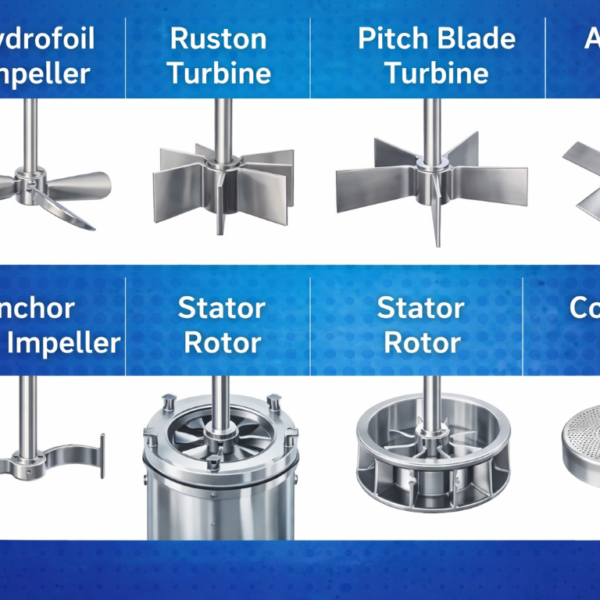
Absolutely. Whether you are working with aerobic bacteria in Austin or anaerobic fungi in San Antonio, we can customize the sparging systems, impeller types (such as Rushton turbines or marine impellers), and gas-mixing capabilities to suit your specific biological needs.
We offer comprehensive on-site installation across the state. Our engineers will visit your facility—whether you are located in the heart of Dallas or the outskirts of Killeen—to ensure the system is integrated with your local utilities and your team is fully trained on the software interface.
Yes. This is a rapidly growing sector in Texas. Our pilot scale fermenters are designed with the high sterility and gentle agitation requirements necessary for animal cell culture and precision fermentation used in alternative protein production.
In the fast-paced world of bioprocessing, the right equipment is the difference between a breakthrough and a bottleneck. As your dedicated Pilot Scale Fermenter manufacturer and supplier in Texas, we are committed to providing the tools you need to scale with confidence.
From the research labs of Lubbock to the industrial parks of McAllen, our mission is to empower Texas-based innovators with world-class fermentation technology.
Contact our Texas regional office today for a custom quote or to schedule a consultation with our engineering team.